Loading...
Serving Waxahachie, TX and surrounding areas. (469) 548-7808
Every gap in your attic floor is a direct path for hot Texas air to pour into your living space. We find and seal every one of them so your AC can finally keep up this summer.
Attic air sealing in Waxahachie means finding every gap, crack, and penetration in your attic floor and closing them off so conditioned air stays inside your living space. Most jobs on a standard single-family home take one full day, and you can stay home throughout.
Waxahachie summers are long and relentless, and the cooling season stretches from April through October. Every unsealed gap around a light fixture, plumbing pipe, or framing penetration is a direct path for that attic heat to pour down into your rooms. Homeowners here feel the cost of a leaky attic more acutely than people in milder climates - your AC runs harder and longer than it should have to. Many homeowners combine this work with retrofit insulation to get the full benefit of both upgrades in a single visit.
It is also worth understanding that insulation and air sealing are not the same thing. Insulation slows heat transfer - it does not stop moving air. If gaps exist in your attic floor, air travels right through even thick insulation. Sealing first is the correct order, and it is what separates a job that actually works from one that looks good on paper. For comprehensive coverage across your whole home, we also offer air sealing services that address gaps throughout your home's shell.
If your cooling costs climb sharply from May through September even at a consistent thermostat setting, your attic is likely letting heat pour into your home. In Waxahachie, where summer temperatures routinely hit triple digits, a leaky attic can add hundreds of dollars to your annual electric bill. If neighbors in similar-sized homes pay noticeably less, that is a strong signal something is wrong with your home's envelope.
If one or two rooms are always hotter in summer or colder in winter than the rest of the house, air leaks in the attic above those rooms are a common cause. The conditioned air your system produces is escaping before it can do its job. This is especially common in older Waxahachie homes where original ceiling framing has shifted over decades from the area's expansive clay soils.
Hold your hand near a recessed light fixture in your ceiling on a hot summer afternoon. If you feel warm air seeping in, that fixture is connected directly to your attic through an unsealed gap. This is one of the most common and fixable air leaks in any home, and it is particularly worth checking in homes built before the 1990s.
If you have lived in your home for years and no one has ever assessed the attic for air leaks, there is a very good chance they exist. Waxahachie's older housing stock - particularly the Victorian and Craftsman-era homes near downtown - was built without any of the sealing practices used today. If you do not know whether your attic has been sealed, assume it has not.
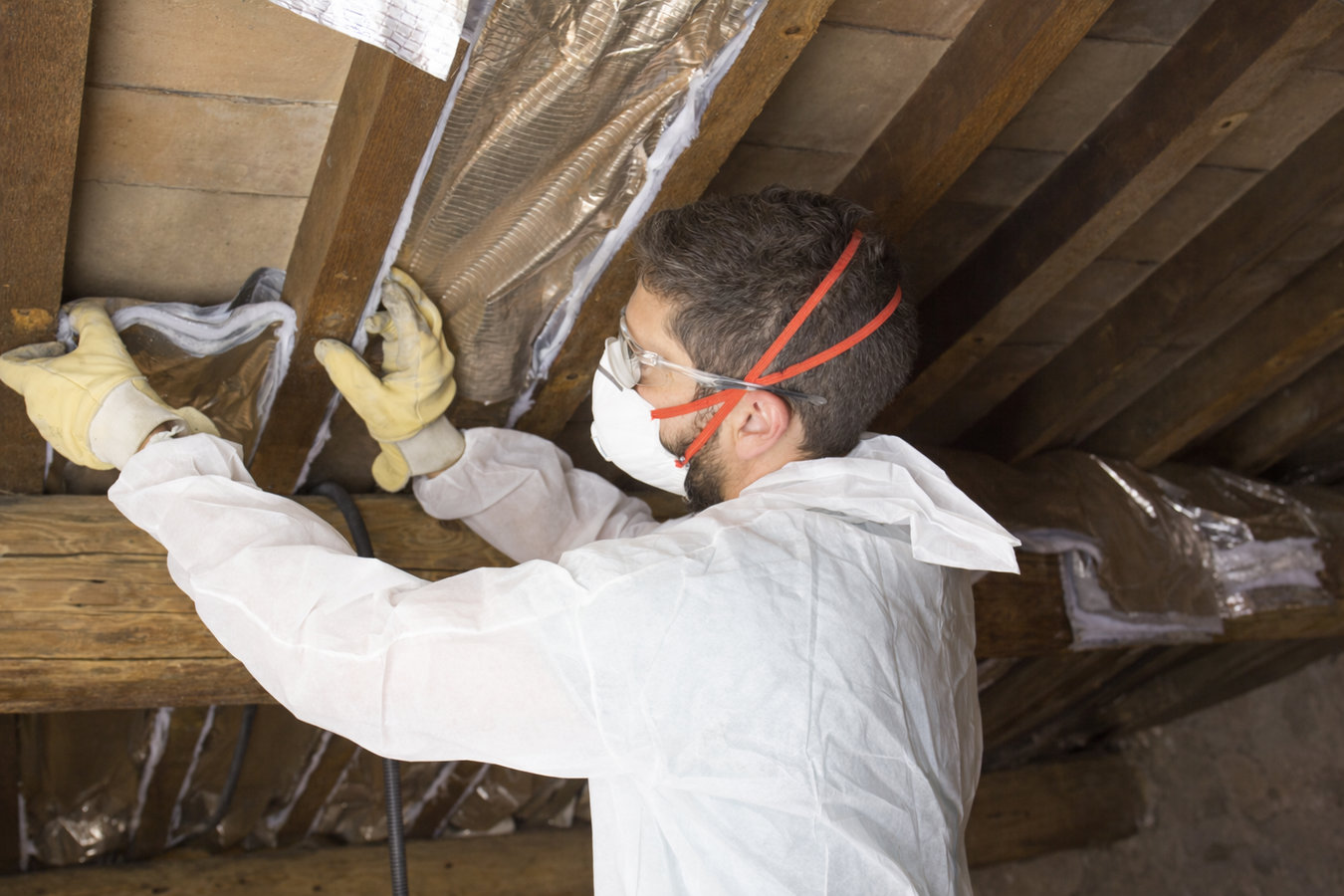
Our attic air sealing work starts with a thorough inspection - we move aside existing insulation to expose every penetration: light fixtures, plumbing stacks, HVAC chases, wall top plates, and any gap where interior walls meet the attic floor. We seal each one with the right material - foam for larger gaps and irregularly shaped openings, caulk for smaller cracks and seams around framing. Nothing gets skipped because that is where the money goes. Most homeowners pair this work with retrofit insulation at the same time, since the attic is already open and accessible, and both upgrades together deliver a stronger result than either one alone.
For whole-home coverage, we also pair attic work with air sealing services that address the rest of the home's shell - walls, crawl space rim joists, and other common leak points. Every project includes a walkthrough when the work is done, so you can see what was found and how it was addressed before we leave.
We move insulation aside and document every penetration before sealing begins - nothing is skipped.
The right material for each gap type - spray foam for large and irregular openings, caulk for seams and small cracks.
Best for homeowners who want to seal and insulate in one visit - most efficient use of time and budget.
For homes with leaks throughout the shell, we extend sealing to walls, crawl space, and other areas beyond the attic.
Waxahachie sits in Ellis County, where summer temperatures regularly exceed 100 degrees and the cooling season stretches from April through October. Attic temperatures on a hot afternoon can reach 150 degrees or more - and every unsealed gap in your ceiling is a direct channel for that heat to move into your living space. This is not a minor inconvenience; it is the reason some rooms never reach the thermostat setting no matter how long the AC runs. Waxahachie also has a well-documented collection of historic homes in and around the downtown district, many built before the 1980s. These homes were constructed long before modern sealing practices existed, and their attics often have dozens of gaps that have never been addressed. Homeowners in Red Oak and Midlothian face the same conditions and call us for the same reasons.
The clay soils throughout Ellis County add another layer of complexity. These soils expand when wet and shrink when dry, causing homes to shift slightly with the seasons. Over years, that movement can open new gaps around pipes, wires, and framing in the attic - gaps that were not there when the home was new. Air sealing in Waxahachie is not always a permanent one-time fix; it is worth having the attic checked again if you notice new drafts or rising energy bills after an unusually dry or wet stretch. The U.S. Department of Energy provides guidance on air sealing techniques and the energy savings homeowners can expect.
We respond to every inquiry within one business day. When you call, we will ask about your home's age, attic size, and what has been prompting you to reach out - high bills, uneven rooms, or a specific concern. No call center, no wait.
We go into your attic, move aside existing insulation, and document every gap and penetration we find. You receive a written estimate before any work is scheduled. Some contractors also offer a blower door test at this stage for an objective measure of how much air is moving through your home.
The crew accesses the attic through your existing hatch or pull-down stairs and works above you. You may hear some noise and notice a brief, mild smell from the foam sealant - it dissipates quickly and is not harmful once cured. Most jobs are complete in a single day.
When the work is done, we walk you through what was found and sealed - ideally with photos so you can see the before and after. Your home is fully usable the same day. Keep an eye on your electric bills over the next billing cycle as your clearest signal that the work made a real difference.
Free estimates, written quotes, no pressure. We respond within one business day.
(469) 548-7808Air sealing and insulation are separate steps, and order matters. We always seal gaps first, then add or restore insulation - because insulation placed over unsealed gaps cannot perform the way it should. Many contractors skip this step to save time; we do not.
Waxahachie's clay soils cause homes to shift seasonally, which opens new gaps over time. We understand how that movement affects attics in this area and seal accordingly - not just the obvious penetrations, but the less visible gaps that form around shifted framing.
We work on Waxahachie's Victorian and Craftsman-era homes regularly. These properties require more care and more sealing material than newer builds, but the process is the same - everything happens from above, inside the attic, with no changes to your living space.
Every project starts with a written estimate that spells out exactly what will be done and what it will cost. You should never accept a verbal quote for work like this - a written estimate protects you and gives you something to compare if you are getting multiple bids.
Attic air sealing is one of the highest-return upgrades available to homeowners in North Texas. Our crew knows the local housing stock, understands how Ellis County's climate and soils affect homes over time, and does the job in the correct order - every time. For third-party standards on air sealing quality, the Building Performance Institute and the ENERGY STAR Seal and Insulate program are both useful references.
Add insulation to your existing home without major renovation - often the next step after air sealing is complete.
Learn MoreWhole-home air sealing that extends beyond the attic to address gaps in walls, floors, and the home's full envelope.
Learn MoreWaxahachie summers arrive fast and stay for months. Call today and we will get your home ready before peak cooling season.