Loading...
Serving Waxahachie, TX and surrounding areas. (469) 548-7808
Most homes in Waxahachie were built decades before today's insulation standards. We add insulation to your existing home without tearing out walls or disrupting your daily life.
Retrofit insulation in Waxahachie means adding insulation to a home that is already built - without tearing out walls or starting from scratch. We work through your attic, crawl space, or small access holes to get material into the spaces that are letting your conditioned air escape. Most attic jobs in a standard single-family home are complete in one day, and you can stay home throughout.
A significant share of homes in Waxahachie were built in the 1970s, 1980s, and 1990s - decades when insulation standards were much lower than they are today. If your home is more than 20 years old and has never had an insulation upgrade, you are likely paying more to heat and cool it than you need to. The attic is almost always the first place to address, because it is where the most heat gain and loss happens. Many homeowners also ask about home insulation as a broader upgrade that covers multiple areas of the house in one project.
One thing worth knowing before the project starts: insulation alone will not stop moving air. Gaps, cracks, and penetrations need to be sealed first - then insulation is added on top. Doing it in that order gives you the best result for your money. If your attic has significant air leaks, we can address those at the same time through spray foam insulation or targeted sealing, so both problems are handled in a single visit.
If the second floor of your home is noticeably hotter in summer than the rest of the house - even with the AC running - that is one of the clearest signs your attic insulation is not doing its job. In Waxahachie summers, an under-insulated attic acts like a heat collector right above your living space. No amount of thermostat adjusting will fully compensate for it.
If your electric bill jumps from May through September and you are not sure why, inadequate insulation is one of the first things worth investigating. A significant portion of that extra load can often be traced to heat pouring through an under-insulated attic. A contractor can give you a rough sense of how much you might save before you commit to anything.
Homes built in Waxahachie before the early 2000s were often insulated to standards now considered well below what is needed for comfort and efficiency. If you have never had anyone look at your attic insulation - or if you can see the ceiling joists poking up above the material - you almost certainly have less than what is recommended today.
If your floors feel cold in winter or you notice a musty smell coming up from below, the crawl space may be uninsulated or poorly sealed. Ellis County's clay soil holds moisture, and an unsealed crawl space lets that moisture and outside air into your home year-round. Insulating and sealing that space can make a noticeable difference in both comfort and air quality.
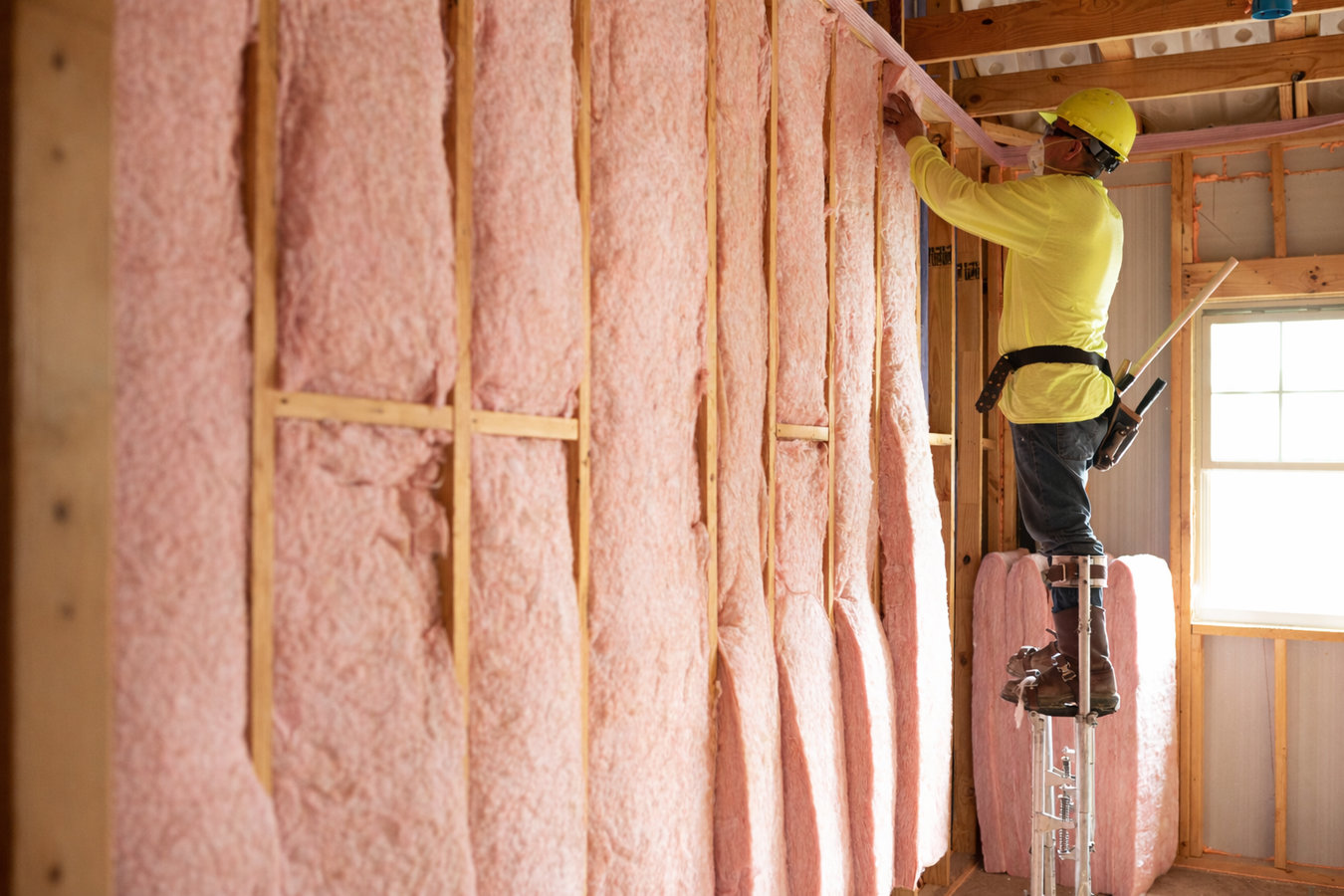
We install blown-in insulation in attics and wall cavities - material that gets blown in through a hose and fills every corner of the space without tearing anything out. For homes undergoing a renovation with open wall framing, we can install batt insulation instead - faster and often a better value when walls are already exposed. Every attic project starts with air sealing: we close up gaps and penetrations first, then add insulation material on top. This is the correct order and gives you the best result. For homes with older walls that need coverage without drywall removal, we pair this work with home insulation services that address the full shell of the house.
Crawl spaces are also a common part of retrofit projects for homes in Ellis County with raised foundations. Properly insulating and sealing that space stops outside air and moisture from entering your home from below - which affects both comfort and long-term floor and foundation health. For homes where moisture is already a concern, we can pair crawl space insulation with spray foam insulation to create a more complete air and moisture barrier in a single project.
The most common retrofit upgrade - adds material above your ceiling to reduce heat gain from the attic on hot days.
Addresses homes with raised foundations where outside air and moisture enter from below, affecting floor temperatures and air quality.
For finished walls, we drill small holes, fill each cavity, and patch before leaving - no drywall removal needed.
Every project seals gaps and penetrations before insulation is added - the step that makes the difference between good performance and great performance.
Waxahachie sits in North Central Texas, where summer temperatures regularly climb above 100 degrees and stay there for weeks. Attic temperatures on a hot afternoon can reach 150 degrees or more - and that heat radiates down into your living space no matter how hard your air conditioner runs. For most Waxahachie homeowners, the payoff from proper attic insulation shows up fastest in summer energy bills, not winter heating costs. The city also has a significant number of homes built in the 1970s, 1980s, and 1990s - decades when insulation standards were much lower than they are today. Many of those homes left the builder with only a few inches of material in the attic, which was considered acceptable at the time but falls well short of what is recommended now. Homeowners in Ennis and Midlothian face the same housing stock and the same climate, and they call us for the same reasons.
The expansive clay soil throughout Ellis County adds a local wrinkle for homes with crawl spaces. That soil swells when wet and shrinks when dry, which can open up gaps in floor framing over time and let outside air and moisture into the crawl space from below. An under-insulated or unsealed crawl space quietly affects your floors, your air quality, and your energy bills year-round. Addressing it as part of a retrofit project is one of the best-value upgrades available on an older property. The U.S. Department of Energy publishes recommended insulation levels by climate zone if you want to compare your current coverage against the target for North Texas.
We respond to every inquiry within one business day. We will ask about your home's age, square footage, and what has been bothering you - high bills, uneven temperatures, a cold room. No pressure, no sales pitch. Most companies can schedule an estimate visit within a few days.
We walk through your home and spend time in your attic - and possibly your crawl space - measuring what is already there and looking for gaps or problem areas. The visit takes 30 to 60 minutes. You receive a written estimate before any work is scheduled, and you have time to review it without pressure.
The crew arrives with their equipment, lays down protective coverings near the attic access, and gets to work. For blown-in attic work, most standard jobs are finished in a few hours. You do not need to leave, but plan to keep children and pets away from the work area.
Before the crew leaves, ask them to walk you through the finished work - a good contractor will show you what was installed, where, and what to look for going forward. There is no curing time needed, so your home is fully usable immediately. Most homeowners notice the difference on their energy bills within one or two billing cycles.
Free estimates, written quotes, no obligation. We respond within one business day.
(469) 548-7808The most important step in any insulation upgrade is closing gaps first. Insulation that goes over unsealed penetrations cannot perform the way it should. We seal before we install - not because it is required, but because it is what makes the work actually worth the investment.
A lot of homes in this area were built in the 1970s through 1990s under standards that are now outdated. We work on these homes regularly and know what to expect - thin original insulation, settled material near eaves, and gaps around older HVAC and plumbing penetrations that have never been addressed.
The clay soils in Ellis County cause homes to move seasonally, which can open gaps in floor framing over time. We understand how that movement affects crawl spaces here and address both the insulation and the sealing - not just one or the other.
You should always know exactly what you are paying for before anyone touches your home. Every project starts with a written estimate that breaks down what will be done and what it will cost. Federal tax credits may also reduce your out-of-pocket cost - ask us before you commit.
Retrofit insulation is one of the most practical home upgrades available in North Texas - it works within your existing home, costs far less than a renovation, and pays you back in lower energy bills every summer. The North American Insulation Manufacturers Association and ENERGY STAR both publish guidance on recommended insulation levels and installation standards for residential homes.
Spray foam creates an air and moisture barrier in one application - often the best choice for crawl spaces and hard-to-reach retrofit areas.
Learn MoreA whole-home insulation assessment and upgrade covering attic, walls, and crawl space in a single coordinated project.
Learn MoreWaxahachie summers are long and expensive. Call today for a free estimate and lock in your installation before the busy season fills our schedule.