
Loading...
Serving Waxahachie, TX and surrounding areas. (469) 548-7808
Ground moisture works its way into your floors, framing, and air supply whether you notice it or not. In Waxahachie, clay soil and humid summers make this a year-round problem. We install vapor barriers that block moisture at the source and keep your home dry from the ground up.
Vapor barrier installation in Waxahachie means laying heavy-duty plastic sheeting in your crawl space - directly on the bare dirt floor - to block ground moisture from rising into your home's floors, walls, and air supply. Most installations are completed in one to two days with no need to leave the house.
Soil naturally holds water and releases it slowly upward, even between rainstorms. In Waxahachie, the clay soil makes this more pronounced - it holds moisture close to the surface for extended periods and never really dries out completely during the wet months. Without a barrier in place, that moisture has a direct path into your floor joists, subfloor, and eventually your living space. You may not see it happening, but you feel it as musty odors, humidity, or soft spots underfoot. Pairing a new vapor barrier with attic air sealing gives your whole home a more complete line of defense against moisture and energy loss.
The U.S. Department of Energy recommends crawl space moisture control as one of the most cost-effective ways to protect the structural integrity of a home and improve indoor air quality. If your crawl space has bare dirt and no current barrier - or an old one that is cracked and degraded - the ground is already working against you. Request a free estimate and we will inspect your crawl space and tell you exactly what is there.
A damp, earthy odor that gets stronger during Waxahachie's hot, rainy summer months is one of the clearest signs that ground moisture is rising into your home through an unprotected crawl space. That smell often means mold or mildew is actively growing somewhere below your floors. It tends to be strongest near floor vents, in ground-floor closets, or in rooms directly above the crawl space.
When floor joists absorb moisture over time, they flex and weaken in ways they should not. If spots on your floor feel softer than they used to, or if hardwood or laminate has started to cup slightly, ground moisture is a likely contributor. Waxahachie clay soil stays wet for extended periods after rain, making this kind of slow moisture damage especially common in homes without an adequate barrier.
If anyone has looked into your crawl space and seen water droplets on pipes, dark staining on wood beams, or soil that is consistently damp, moisture is actively moving through that space. This level of dampness will eventually damage structural wood, encourage mold growth, and attract pests. A vapor barrier is a critical first step in controlling that ground moisture.
If you own a home built before the 1980s in one of Waxahachie's established neighborhoods and have no documentation of any crawl space improvements, there is a good chance the original builder never installed a vapor barrier at all. Homes of that era were built to different standards. A quick inspection by a qualified contractor can tell you exactly what is - or is not - down there.
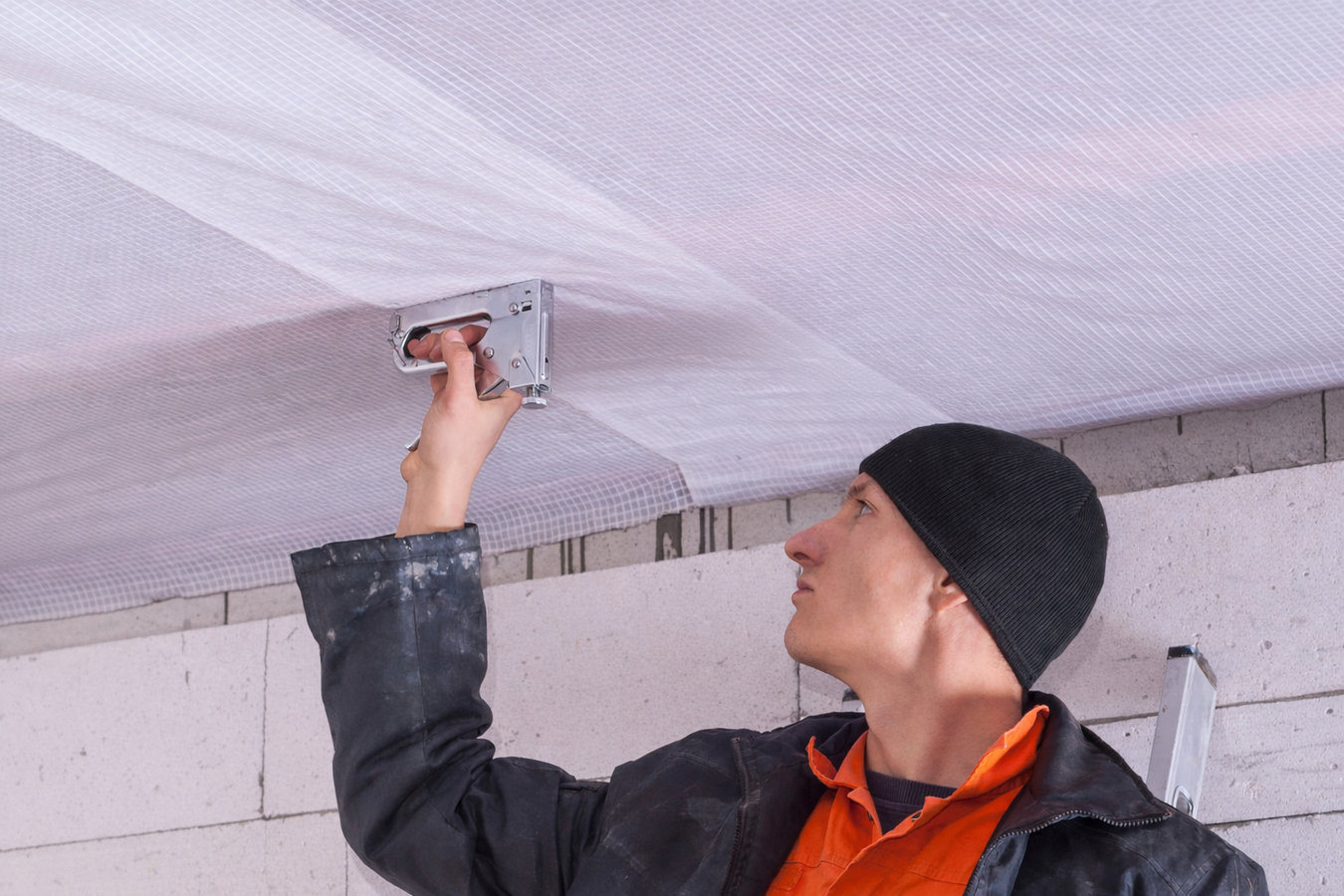
We enter the crawl space, assess what is there, and remove any old or damaged material before the new barrier goes down. The new sheeting covers the entire ground surface with no bare dirt showing. Seams between sheets are overlapped and taped securely - not just laid loosely together - and the edges run up the foundation walls and are fastened in place rather than left loose. A properly installed barrier has no gaps, no unsecured seams, and no exposed soil when the job is done. We also offer crawl space vapor barrier as a focused service if you need a thorough crawl-space-only solution with maximum coverage options.
We use heavy-duty sheeting that holds up to foot traffic and the movement that comes with shifting soil over time. Thinner material tears and gaps open - often in the first year - which defeats the purpose entirely. The right thickness for your specific crawl space depends on how it is accessed, how often someone may need to enter it, and the severity of the moisture conditions. We recommend the appropriate material after seeing the space in person, not as a default.
Full ground-floor coverage with sealed seams and wall edges - the standard installation for homes with accessible crawl spaces.
Removal of old, degraded, or torn material before installing a new barrier - suited for homes where a previous barrier has failed.
Debris removal, minor repairs, or standing water mitigation handled before the sheeting goes down - for crawl spaces that need more than a straightforward install.
Vapor barrier paired with crawl space insulation in a single project - addresses ground moisture and thermal performance together.
Waxahachie sits on expansive black clay soil - the kind that swells when wet and shrinks when dry. This soil holds water close to the surface for extended periods after rain, which means the ground under your crawl space stays damp far longer than it would in sandier parts of Texas. For homeowners here, a vapor barrier is less of an optional upgrade and more of a practical necessity for protecting floors and structural wood from ongoing ground moisture. Ellis County also averages around 38 inches of rain per year, and May through September brings both heat and humidity that push moisture into every gap in a home's structure. Homeowners in nearby Ennis and Corsicana face the same clay soil conditions - we serve all of them.
Waxahachie also has a well-documented historic district with a significant number of homes built before modern moisture-control practices were standard. Many of those older homes have crawl spaces that were never designed with a vapor barrier in mind, and some have original wood framing that has been absorbing ground moisture for decades. Waxahachie is also one of the faster-growing cities in the Dallas-Fort Worth metro, and newer homes in its growing subdivisions are not immune - rushed construction schedules sometimes result in shortcuts in areas homeowners cannot easily see. The U.S. Department of Energy's moisture control guidance is a good starting point if you want to understand the full picture before calling.
We respond within one business day. Tell us your home's age, your foundation type, and any signs you have noticed - musty smells, soft floors, or visible dampness. We come prepared for your situation.
A technician physically enters your crawl space and assesses what is there - existing material, moisture levels, soil condition, and access difficulty. The visit takes 30 to 60 minutes and ends with a plain-language walkthrough of the findings.
You receive a written quote covering materials, scope, and total cost. A good contractor welcomes questions about material thickness and installation method. Spring and early summer are busier seasons - booking earlier can avoid a wait.
The crew works entirely underneath the house. Most jobs are done in one day. When finished, we provide photos from inside the crawl space so you can see the completed, sealed surface yourself without having to go in.
We respond within one business day. No pressure - just a clear, written estimate based on what we actually find in your crawl space.
(469) 548-7808Crawl space work is invisible once the hatch closes. We document the finished installation with photos from inside the crawl space before we leave, so you can see the complete, sealed surface yourself - sealed seams, secured wall edges, and no bare dirt showing - without ever having to go in.
You get a written estimate covering materials, coverage, and total cost after we inspect your crawl space. We explain what we found and what we recommend, then leave the decision to you with no pressure and no charge for the visit.
We have installed vapor barriers on homes across Waxahachie and Ellis County. That means we have seen firsthand what the local black clay soil does to crawl spaces over time - how it holds moisture, how it shifts, and what level of coverage and material thickness actually holds up here long-term.
Ellis County has active subterranean termite pressure, and a damp crawl space is one of the most inviting environments you can offer them. A properly installed vapor barrier removes the persistent moisture that makes your crawl space attractive in the first place. Texas A&M AgriLife Extension documents the connection between soil moisture and termite activity in North Texas.
Moisture damage under a home is quiet and slow until it is not. We give Waxahachie homeowners a clear picture of what is happening below their floors, install the barrier correctly, and make sure you can see the evidence before we pack up and leave.
Stop hot air and moisture from entering through the attic - a natural companion to vapor barrier work for whole-home moisture control.
Learn MoreA focused crawl-space vapor barrier service with full-coverage options and wall-edge installation for active moisture conditions.
Learn MoreSpring is the busiest season for crawl space work in Waxahachie - call us now or request a free estimate online so we can get your home protected before the heat and moisture peak.