Loading...
Serving Waxahachie, TX and surrounding areas. (469) 548-7808
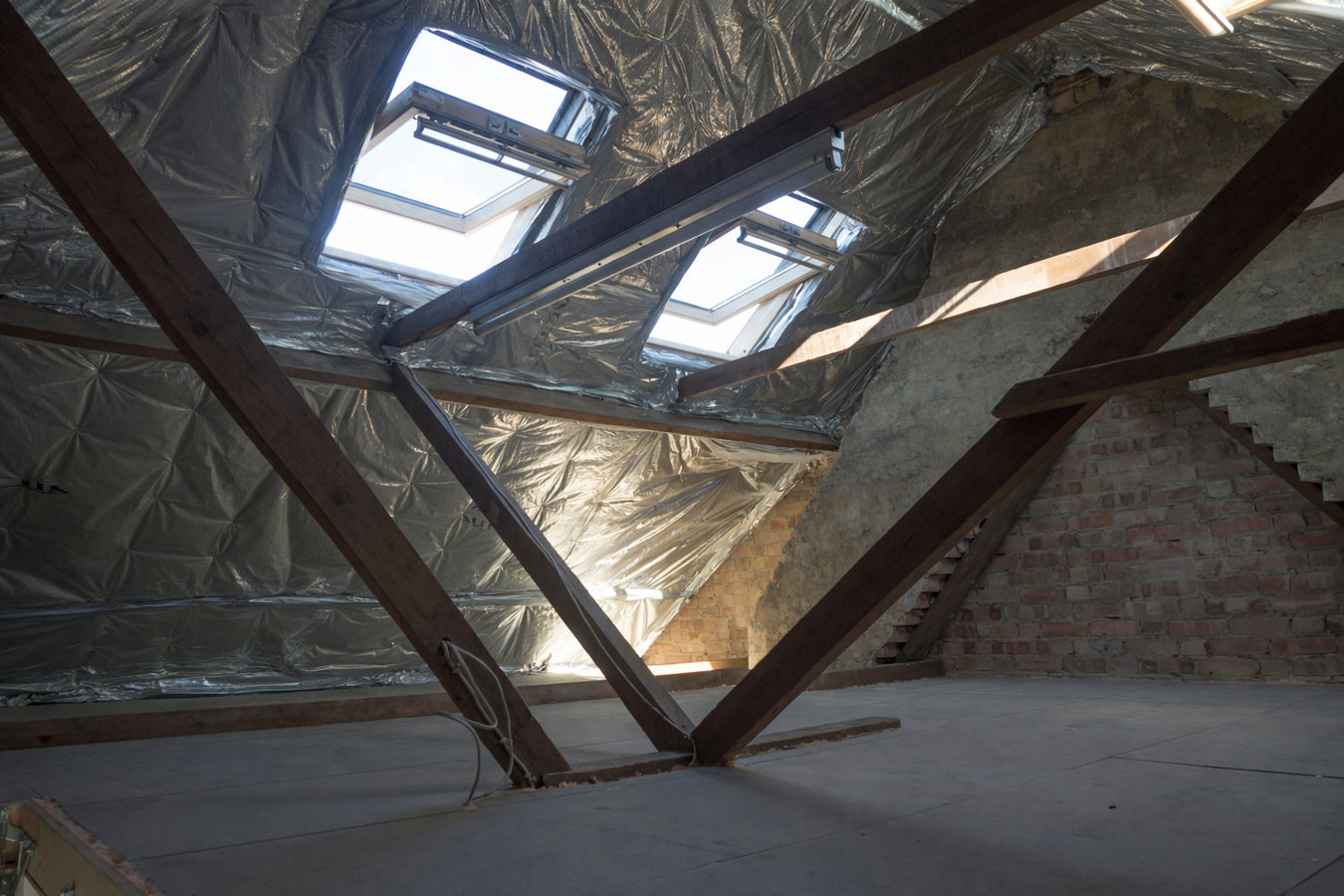
Your attic may be letting in more heat than your air conditioner can handle. Proper attic insulation puts a thermal barrier between that 150-degree summer attic and your living space - so your AC works less and your home stays comfortable.
Attic insulation in Waxahachie acts as a thermal barrier between the extreme heat above and the living space below, and most blown-in jobs finish in a single day - often in just a few hours. In North Texas, attics can reach 150 degrees F on a July afternoon. Without adequate insulation, that heat pours directly into your home and forces your air conditioner to run almost constantly to keep up.
Many Waxahachie homes were built in the 1970s through 1990s to insulation standards that fall well short of what the Department of Energy recommends for this climate today. If your home is more than 20 years old and the attic has never been checked, there is a real chance the insulation has settled, compressed, or been disturbed by pest activity or a past roof repair - and it may not be doing the job you think it is.
Attic insulation works best when paired with air sealing. Before we add material, we seal gaps and penetrations in the attic floor - a step many lower-cost crews skip entirely. If you are also considering blown-in insulation or want to understand all your options, we walk you through exactly what we find before recommending any approach.
If the second floor or rooms directly below the attic feel significantly warmer than the rest of your home - even with the AC running - heat is moving through the attic floor into your living space. In Waxahachie summers, where attic temperatures can exceed 150 degrees F, thin or missing insulation makes this problem severe.
If your cooling costs jump sharply from May through September and your system seems to run almost constantly, your attic insulation may be the reason. Waxahachie homeowners with under-insulated attics often see their air conditioners working far harder than they should - and that shows up on the Oncor bill every month.
Homes built in Waxahachie before the mid-2000s were often insulated to standards now considered inadequate for North Texas. If no one has looked at the attic since you moved in, there is a real chance the insulation has settled, been disturbed by pests, or been compressed by a past roof repair.
If you peek into your attic and can see the wooden beams running across the floor, your insulation is almost certainly too thin. Properly insulated attics in this climate should have insulation deep enough that the floor structure is completely buried. This is a quick visual check any homeowner can do from the hatch.
We install blown-in loose-fill insulation and spray foam in attics across Waxahachie and the surrounding Ellis County area. Blown-in is the most common choice for adding material on top of what is already there - a machine blows the loose-fill evenly across the attic floor to reach the right depth throughout. Every job includes air sealing of gaps and penetrations first, which is the step that makes the insulation actually perform well. If you want to understand the differences between your options, blown-in insulation is often the fastest and most cost-effective path for an existing attic.
For attics where you want to make the space part of your conditioned living area - a finished attic or attic conversion - spray foam applied to the underside of the roof deck is the right approach. We also handle attic air sealing as a standalone service for homes where the main issue is air movement rather than thermal resistance. We explain what we find in plain terms and let you decide what makes sense for your home before any work begins.
Best for most existing attics - fast installation and even coverage to the depth your climate requires.
Applied to the roof deck underside for finished attics or when you want the attic space fully conditioned.
Seals gaps and penetrations in the attic floor before insulation is added - the step that makes everything else work better.
Adds material over existing insulation when what is there is thin but still in good condition.
Removes damaged, contaminated, or pest-affected insulation before new material is installed.
Checks attic insulation condition after hail, high winds, or water intrusion - common in Ellis County.
Waxahachie sits in Ellis County where summer attic temperatures routinely exceed 150 degrees F. That is not a figure that shows up much outside of North Texas, and it changes the calculus on attic insulation significantly. An attic at that temperature with thin or settling insulation below it is essentially a heat source sitting directly on top of your living space. The homes most affected are those built in the 1950s through 1990s in the older neighborhoods around downtown - many were insulated to standards that were acceptable decades ago but fall well short of what this climate actually demands. The spring storm season adds another layer of risk, as hail and high winds regularly disturb attic insulation across Ellis County.
We work throughout Waxahachie and nearby communities including Cedar Hill. Our crews inspect the condition of existing insulation before adding anything new - including checking for moisture from past roof leaks, which is a common finding in homes that have been through the severe spring storms Ellis County sees regularly.
We ask a few basic questions - your home size, the age of the house, and whether you have noticed any comfort or energy issues. We respond within 1 business day and schedule an in-home visit at a time that works for you.
A technician accesses your attic and checks the depth and condition of existing insulation, looks for air leaks and moisture damage, and measures the space. This visit is free and typically takes 20 to 45 minutes. You receive a written estimate afterward.
Before adding any material, we seal gaps and penetrations in the attic floor. Then we blow in the insulation evenly across the space, working to reach the right depth throughout. Most jobs take two to four hours for an average-sized home.
When the job is done, we walk you through what was completed - ideally with before and after photos from inside the attic. You can use your home normally right away. We also provide the paperwork you need to claim the federal tax credit if the materials qualify.
Submit your info and we will call within 1 business day to schedule a free on-site estimate. No obligation, no pressure.
(469) 548-7808We know the specific housing stock in this area - the older neighborhoods near downtown, the mid-century homes on larger lots, and the newer subdivisions along US-287. That context changes what we recommend and how we approach the work.
Skipping air sealing before adding insulation is one of the most common shortcuts in this industry. We do not skip it. Sealing the gaps in the attic floor first is what makes the insulation perform the way it should - and it is included in every job we quote.
You cannot easily see the inside of your attic yourself, which is exactly why we document every job with photos before we add anything and after we finish. You receive a record of what was there and what was done - useful for your own records and for a future buyer.
Qualifying attic insulation upgrades are currently eligible for a federal tax credit worth up to 30% of project cost. We provide the documentation you need to claim it when you file - no extra steps required on your end. The ENERGY STAR program certifies the qualifying products we install.
The combination of local knowledge, honest air sealing practice, photo documentation, and tax credit support is what separates a quality attic insulation job from a crew that just blows in material and leaves. We take the extra steps because they make a real difference in how your home performs.
The most common method for adding insulation to an existing attic floor - fast, effective, and minimally disruptive to your home.
Learn MoreSealing gaps and penetrations in the attic floor before adding insulation makes the entire upgrade perform significantly better.
Learn MoreBook your free attic inspection now - before the hottest booking weeks of the year fill up.