
Loading...
Serving Waxahachie, TX and surrounding areas. (469) 548-7808
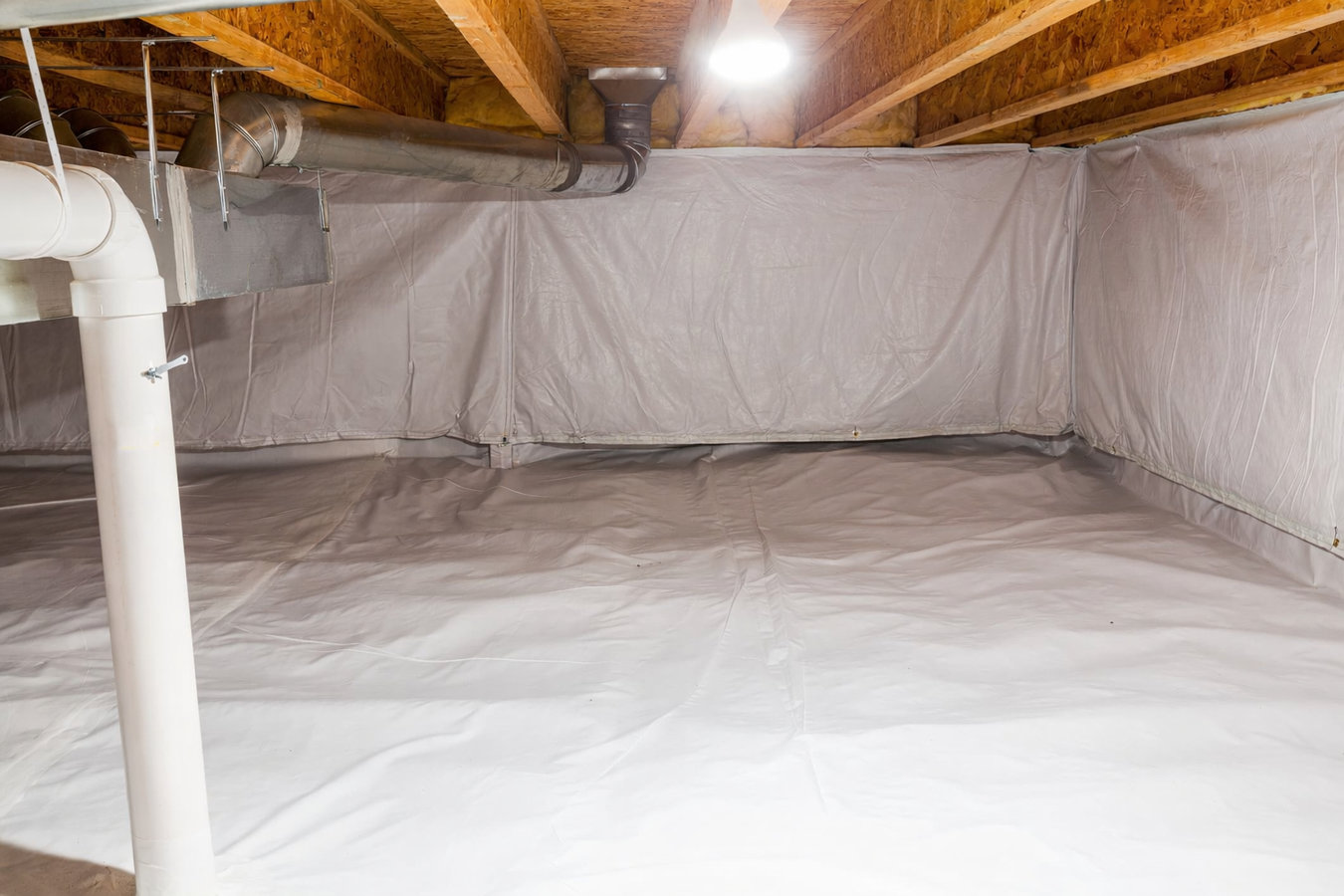
Cold floors in January, musty smells in summer, and energy bills that keep climbing - all three often trace back to an uninsulated crawl space. We fix that.
Crawl space insulation in Waxahachie slows heat transfer between the ground and your living area, keeps moisture from rising into your home, and helps your HVAC system run less to hold a comfortable temperature. Most jobs are finished in a single day and make a noticeable difference in how floors feel and how the home holds its temperature across seasons.
If your home has a crawl space rather than a slab foundation, the space below your floors is one of the most direct pathways for heat, cold, and moisture to enter your living area. Many Waxahachie homes - especially older ones near the historic district - were built without any crawl space insulation at all. If you have been dealing with cold floors or a persistent musty smell, the crawl space is usually the first place worth investigating. Pairing this work with a wall insulation upgrade gives you a more complete thermal envelope.
Ellis County clay soils shift and settle with rainfall cycles, which can crack foundation walls and open gaps where outside air and moisture enter the crawl space. Addressing those entry points before insulation goes in is part of a proper job - not an afterthought.
If you walk across your living room in January and the floor feels cold through your socks, cold air is moving up from an uninsulated crawl space below. Waxahachie winters are mild overall, but temperatures drop into the 30s regularly - and without insulation, that cold transfers straight through your subfloor. This is one of the most common complaints before homeowners realize the crawl space is the source.
A persistent musty or earthy odor - especially in rooms closest to the ground floor - often means moisture is building up in the crawl space below. In Waxahachie summers, ground moisture rises into unprotected crawl spaces and creates the damp conditions where mold and mildew thrive. If you smell it inside the house, the problem has likely been developing for a while.
If heating and cooling costs have risen over the past year or two without an obvious reason, an uninsulated or deteriorating crawl space could be the cause. Air leaking in and out forces your HVAC system to work harder to hold the temperature you set. This is especially noticeable in summer, when Waxahachie heat and humidity make air conditioning run overtime.
If you look into your crawl space access hatch with a flashlight and see insulation that has fallen away from the floor joists, looks compressed, or is missing in patches, it is no longer doing its job. Pest activity - rodents and termites are active in Ellis County - can also displace or damage insulation. A clear visual inspection often tells you everything you need to know.
Every crawl space insulation job starts with a physical inspection - not a quote over the phone. We go into the space, check the existing material, look for moisture or pest signs, and measure the area so you get an accurate estimate. If old or damaged insulation needs to come out first, we handle removal before any new material goes in. Leaving damaged material in place and installing over it is not something we do.
A complete crawl space job includes a vapor barrier on the ground to stop ground moisture from rising into the space. We also offer crawl space vapor barrier installation as a standalone service for homes that already have insulation but need moisture protection addressed separately. For homes with gaps, cracks, or air leaks around the foundation walls, pairing the insulation with a wall insulation upgrade closes the thermal envelope more completely.
Best for vented crawl spaces where insulation is installed between the floor joists to slow heat transfer into the living area above.
Suited for sealed or encapsulated crawl spaces where insulation is applied to the interior walls rather than the floor above.
Recommended for any crawl space job - a heavy-duty ground cover that stops ground moisture from entering the space and degrading your insulation.
Required when existing material has been damaged by moisture, pests, or age - new insulation performs correctly only when installed on a clean surface.
Waxahachie sits in Ellis County, where summer humidity regularly climbs above 70 percent and temperatures stay above 95 degrees for weeks at a time. That warm, moist air finds its way into crawl spaces and condenses on cooler surfaces below your home - which is exactly how mold and wood rot get started. For homeowners here, moisture management is not optional. It is the most important part of any crawl space project, and skipping the vapor barrier step means the insulation will not hold up the way it should.
The clay soils across Ellis County expand when wet and shrink when dry - a cycle driven by Waxahachie springs and summers. That constant movement can crack foundation walls and create gaps where outside air and moisture enter the crawl space. Homeowners in Ennis and Corsicana face the same soil conditions. Inspecting for foundation gaps or cracks before insulation goes in is part of the job - sealing those entry points first makes the insulation far more effective long term. The U.S. Department of Energy recommends addressing air sealing alongside insulation for exactly this reason.
Waxahachie also has a number of Victorian-era homes near the historic downtown district that were built without modern insulation standards. Crawl spaces in these older homes may be shallow, vented, and may have original materials that need to come out before anything new goes in. If your home was built before the 1980s, budget extra time for the assessment phase - the contractor may find conditions that require additional work before the insulation job can start.
Call or submit a request and we will respond within one business day. We ask a few basic questions about your home - age, what you have noticed, whether you have a vented or sealed crawl space - so we come prepared for the assessment.
A technician goes into the space and checks existing insulation, the vapor barrier, moisture or mold signs, and how accessible the space is. This inspection is the step that separates an accurate estimate from a guess - we will not quote the job without seeing it first.
You receive a written estimate that breaks down what needs to be done and what it will cost - removal if needed, type of insulation, and whether a vapor barrier is included. If a permit is required by the City of Waxahachie, we note that and explain what it means for the timeline.
Most jobs finish in a single day. The crew removes any old material, installs the vapor barrier, and installs the new insulation. Before they leave, they walk you through what was done - either at the access hatch or with photos - and give you documentation of the materials used.
We inspect the space first, give you a clear written estimate, and answer every question before any work starts.
(469) 548-7808A contractor who gives you a price over the phone without seeing your crawl space is guessing. We go into the space, check what is there, and give you a written estimate based on what we actually find - not what we assume.
We have worked on homes across Waxahachie long enough to know how the local soil affects crawl spaces. We look for foundation gaps and cracks before the insulation goes in - because sealing those entry points first is what makes the job hold up over time.
In Waxahachie summers, moisture management is not a bonus feature - it is the whole point. Every crawl space insulation job we do includes a vapor barrier on the ground. Skipping it in this climate means the insulation will not last. See the EPA moisture control guidance.
We give you a record of everything installed - materials, amounts, and any permit inspection sign-off from the City of Waxahachie if applicable. If you ever sell your home, that documentation is something buyers and inspectors will want to see.
Every crawl space job ends with a clean space, a documented install, and a homeowner who knows exactly what was done. If we spot something that needs attention before or after the insulation goes in, we tell you - clearly, without pressure.
A heavy-duty ground cover that blocks moisture from rising into your crawl space and compromising your insulation over time.
Learn MoreComplete the thermal envelope by insulating your exterior walls so heat and cold have fewer ways to get into your home.
Learn MoreCall or request an estimate today and we will respond within one business day - before another humid Waxahachie summer pushes moisture into your crawl space.