
Loading...
Serving Waxahachie, TX and surrounding areas. (469) 548-7808
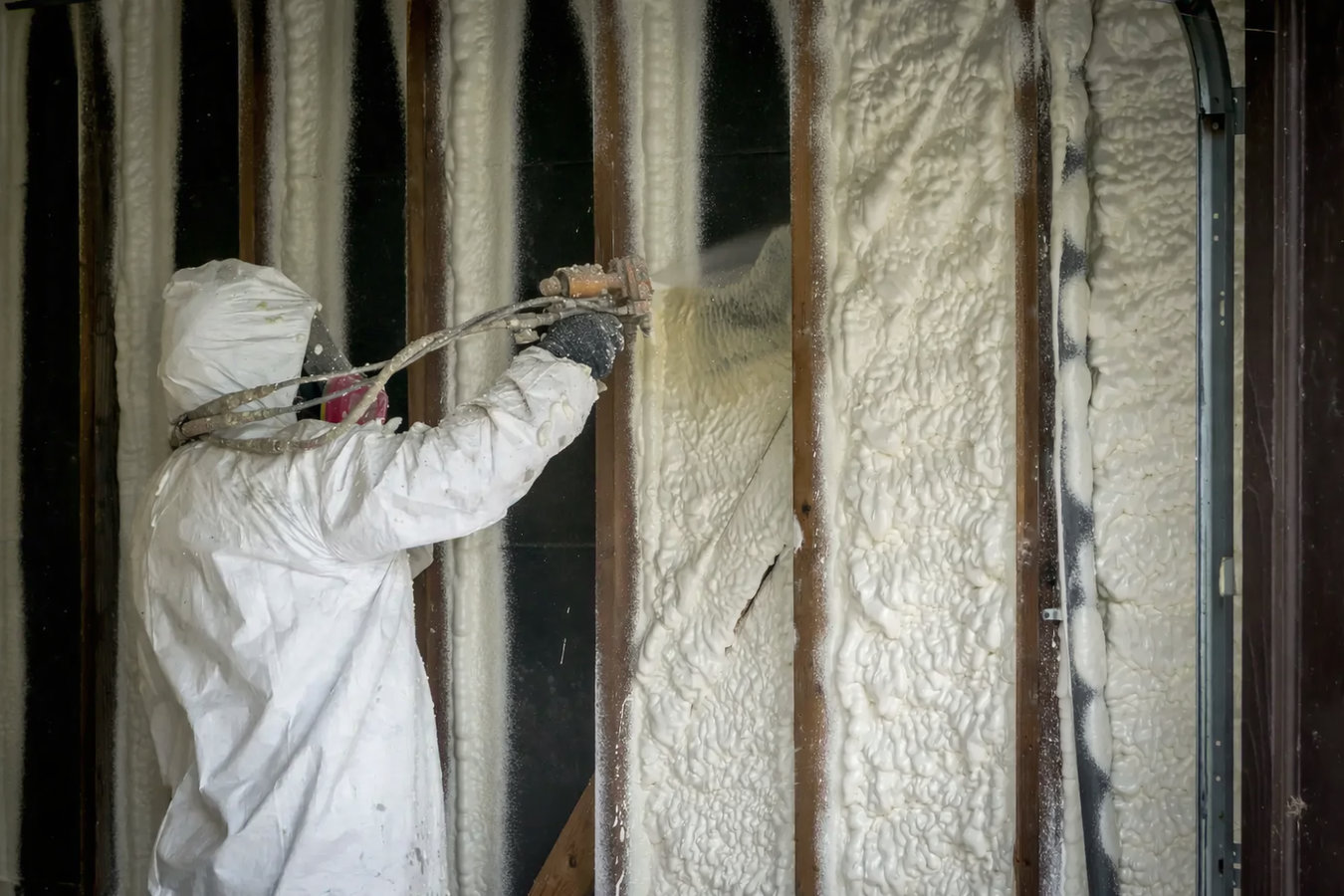
Your home loses cool air through gaps other insulation types can not reach. Spray foam expands to fill every crack in attics, crawl spaces, and rim joists - sealing air and moisture in one pass and putting money back on your energy bill.
Spray foam insulation in Waxahachie seals air leaks and insulates in one pass, and most residential attic or crawl space jobs wrap up in a single day. Unlike fiberglass batts that sit in cavities and leave gaps at every edge, spray foam expands on contact and hardens to fill every crack it touches - stopping conditioned air from escaping and humid outside air from pushing in.
Waxahachie sits in Ellis County where summer temperatures routinely top 100 degrees F. If your home has original or aging insulation, the gaps in your attic, crawl space, and rim joists are costing you money every day from June through September. Many homeowners see a noticeable drop in their Oncor bill within the first full summer after installation.
There are two main types. For crawl spaces and moisture-prone exterior areas, closed-cell foam insulation is the right choice because it also acts as a vapor barrier. For interior walls and attics where a moisture barrier is already in place, open-cell foam delivers excellent air sealing at a lower installed cost.
If your bill climbs well above what feels reasonable every June through September, your home may be losing cool air faster than your AC can replace it. In Waxahachie, where temperatures routinely exceed 100 degrees F, a poorly sealed attic or wall cavity can make your system work twice as hard as it should.
Walk through your home on a hot afternoon and notice whether rooms above a garage, near the roofline, or at the end of a hallway feel significantly warmer than the rest. Uneven temperatures room to room are a classic sign air is escaping through insulation gaps - especially common in Waxahachie homes built before the mid-1990s.
On a hot or windy day, hold your hand near electrical outlets on exterior walls, around window frames, or near your attic access hatch. A draft or noticeable temperature difference means outside air is getting in. These are exactly the gaps spray foam is designed to seal - ones that fiberglass batts alone can not fix.
A musty smell from below the floor or out of the attic hatch often signals moisture sitting where it should not. In Ellis County, clay soils hold and release moisture seasonally, making crawl spaces especially vulnerable. Pest activity also creates gaps in existing insulation that let air and moisture move freely through the structure.
We install spray foam in attics, crawl spaces, rim joists, exterior wall cavities, and commercial spaces across Waxahachie and surrounding Ellis County communities. Every job starts with a walkthrough to determine which foam type fits the specific application. For crawl spaces and exterior walls where moisture control is essential, we use closed-cell foam. For interior attics where a separate moisture barrier is already in place, open-cell foam handles air sealing and insulation at a lower installed cost.
We also handle jobs that combine spray foam with other services. Pairing spray foam with full attic insulation gives homes a comprehensive thermal barrier - the spray foam seals the air and moisture pathways, and the blown-in material on top builds the thermal resistance to the level North Texas homes need. We explain what we find and what we recommend before any work begins, so you are never paying for more than your specific situation calls for.
Suits interior walls and attics - strong air sealing at a lower cost per square foot.
Suits crawl spaces and exterior walls - seals air and moisture in one application.
Applied to the underside of the roof deck to stop summer heat before it reaches living spaces.
Seals the floor cavity walls and blocks humid air from entering the home from below.
Targets one of the most common air leak locations in older Waxahachie homes.
Added to exterior wall cavities during renovations to upgrade existing home performance.
Waxahachie faces two insulation challenges that reinforce each other. Above the floor, attics in Ellis County reach 140 to 150 degrees F on July afternoons, pushing that heat straight down through thin or aging insulation into living spaces. Below the floor, the region's heavy clay soil swells with spring rain and shrinks in summer drought - that seasonal movement opens gaps in crawl space walls and rim joists over time. Spray foam addresses both problems, sealing the pathways that allow heat and moisture to enter from opposite directions. Homes in newer subdivisions near US-287 and older neighborhoods near the downtown square face the same conditions, just at different stages of housing age.
We serve Waxahachie and the surrounding area including Midlothian. Our crews are familiar with the specific soil conditions, climate extremes, and housing stock of this part of Ellis County - this is not a one-size approach carried over from a different market.
We ask a few basic questions about your home and the areas you want insulated. We respond within 1 business day and schedule an in-person estimate at a time that works for you.
A contractor walks your attic, crawl space, or target area, checks for moisture and pest issues, and measures the space. This visit is free and typically takes 30 to 60 minutes. You receive a written estimate that breaks down the cost by area.
Clear access to the work areas and plan to stay out of the home - along with pets - for at least 24 hours after spraying. We give you a specific prep list so nothing is left to guess.
The crew sprays the foam, protects surrounding surfaces throughout, cleans up all equipment, and walks you through the finished coverage before they leave. You can see the work with your own eyes and ask questions on the spot.
Submit your info and we will call within 1 business day to schedule a free on-site estimate. No obligation.
(469) 548-7808We have worked in Ellis County long enough to know the specific conditions here - clay soil movement, summer heat extremes, and the age of housing stock in different neighborhoods. We are not a regional chain dispatching crews from across the DFW area.
We pull any required permits for your spray foam project and hand you documentation of the completed work before we leave. You get a clear record for your files and any future home sale.
We come out, look at your space, and give you a written estimate that breaks down costs clearly. We explain what we found and what we recommend - then we leave the decision to you. The estimate visit costs nothing.
One of the most common concerns homeowners have is paying for work they cannot verify themselves. Before we call any job done, we walk you through the finished coverage so you can see it with your own eyes. We also help document materials so you can claim the federal tax credit if you qualify. The Spray Polyurethane Foam Alliance sets the industry standards for installation quality we follow on every project.
Every one of those points comes down to the same thing: you should be able to trust the contractor working in your home. We earn that trust by being local, being experienced, being transparent about cost, and showing you what was done before we consider the job complete.
Blown-in attic insulation adds a thermal barrier above your living space, working alongside spray foam for maximum energy performance.
Learn MoreThe denser foam type that doubles as a moisture barrier - the go-to choice for crawl spaces and exterior wall cavities in humid climates.
Learn MoreSpring booking fills up fast - call or submit a request now to hold your spot for a free on-site estimate.